
Conway, SC · Horry County
Plumber in Conway, SC for Burst Pipes, Backups and Water Heaters
Conway SC Plumbing Experts handles leaks, clogged drains, sewer backups and water heater failures for homes in Conway and the neighborhoods around it. Call, describe what is happening, and get a straight answer on what needs attention now and what can wait.
Plumbing help for Conway homes and the neighborhoods around them
Conway sits on the Waccamaw River, in a part of Horry County where plumbing problems tend to come from three directions: water that arrives from a city or county line, drains that run through sandy, often saturated ground, and storms that push the river and the water table up. The median home in the city was built around 2001, so many houses are old enough for original water heaters, aging drain lines and fixtures that are due for replacement.
When you call Conway SC Plumbing Experts, you describe the problem in your own words. The answer you get covers what is likely wrong, whether it is a repair or a replacement, and what has to happen first. Where the issue sits with the City of Conway or Grand Strand Water and Sewer Authority instead of with your plumbing, we say so, because paying for a repair that the utility owns helps no one.
Plumbing services in Conway, SC
These are the jobs Conway homeowners call about most. Each service has its own page with what the work involves and how to tell what you are dealing with.
Water heater repair
No hot water, rusty water or a tank that leaks at the base: we sort out whether the unit can be repaired or has reached the end of its life.
Drain cleaning
Slow kitchen sinks, backed-up tubs and repeat clogs cleared, with a camera look when the same line keeps stopping.
Leak detection
Meter-first testing to confirm a leak, then locating it without opening more wall or floor than needed.
Sewer line repair
Backups, gurgling lines and root intrusion, with clear guidance on what falls to the city and what falls to you.
Burst pipe repair
Shut-off help, stopping the water and repairing the failed section so the wet area can start drying.
Toilet repair
Running, clogged and weak-flushing toilets, plus leaks at the base or supply line.
Faucet and sink repair
Dripping faucets, loose handles and slow or leaking sink plumbing fixed or replaced.
Water heater installation
Replacement units sized for the household, with placement planned for Conway's flood-prone ground.
Also available: hydro jetting for stubborn drain lines, trenchless sewer repair, tankless water heaters, slab leak repair, garbage disposal repair, bathroom plumbing for wet-space remodels, gas line repair and water damage removal and drying.
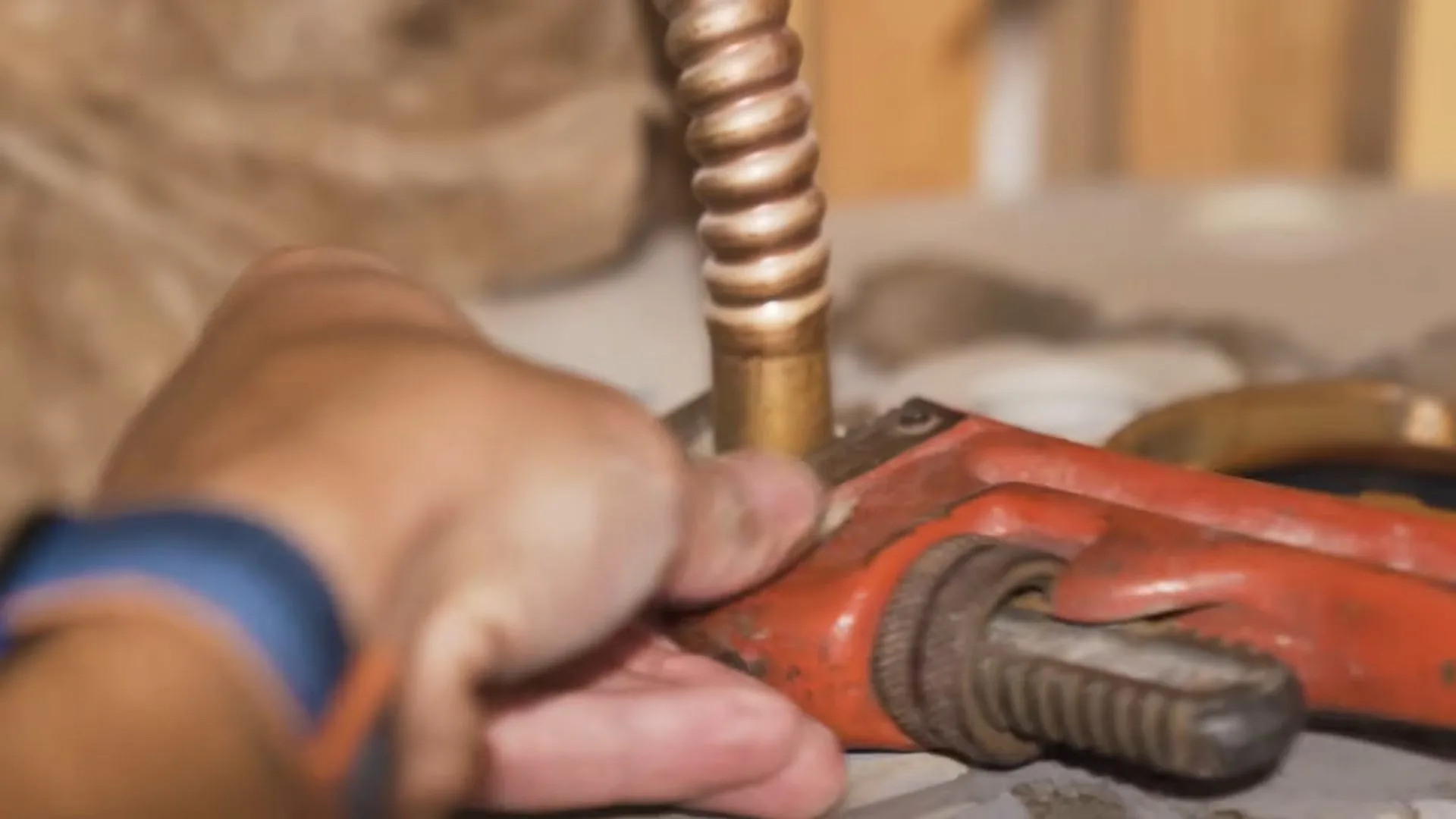
When a plumbing problem cannot wait in Conway
Some problems get worse by the minute. If water is running where it should not be, these steps come before anything else:
- Stop the water. Close the main valve near the meter box or where the line enters the house. If the leak is a single fixture, use the shut-off valve under it.
- Cut power to a draining water heater. A tank that is losing water should not keep heating.
- Treat a sewer backup as a health issue. Stop using drains, keep children and pets away from the water and avoid touching it. If you are on the City of Conway sewer, its backup line is 843-248-1770.
- Leave the building if you smell gas. Call Dominion Energy South Carolina at 800-815-0083 and 911 from outside, and do not flip switches.
- Call us at (833) 571-0120. Say what you see, what you have already shut off and where you are, and we will tell you what we can do and when.
Before any digging near a sewer or water line, South Carolina law requires a call to 811, which takes three to twelve full working days and marks public utility lines only. Private lines on your property are not marked.
What Conway's water, weather and ground mean for your plumbing
Where your water comes from
The City of Conway buys treated surface water from Grand Strand Water and Sewer Authority, drawn from the Bull Creek area of the Great Pee Dee watershed, rather than pumping groundwater. Homes outside the city can be served by the city's rural system or by the authority, and which one applies is specific to the address. We have not found a published hardness figure in the 2025 water quality reports, so we do not quote one.
Flooding and storm aftermath
The Waccamaw River at Conway reached more than 21 feet in September 2018 during Hurricane Florence, against a minor flood stage of 11 feet, and it stayed above flood stage for about four weeks. Local news reported that most of the properties damaged in 2018 were in the low-risk Zone X rather than in a mapped flood hazard area, so a clean flood map is not a guarantee. After a storm, water heaters in garages, backed-up floor drains and sewer lines that overflow when the ground is saturated are the common calls. In a mapped flood hazard area, the city's floodplain guidance calls for water heaters and furnaces to sit at least two feet above the projected flood elevation, and Construction Services at 843-488-9888 can confirm what applies to your lot.
Soil, rain and the occasional freeze
Conway averages about 55 inches of rain a year, and soil data show shallow winter and spring water tables in much of the area, with sandy soils at the center of town. That keeps yards wet and puts pressure on buried drain lines and cleanouts. Hard freezes are rare: the Conway station averages about 39 days a year at or below 32 degrees and only about two at or below 20. Outdoor spigots and exposed lines still deserve cover on the few cold nights.
Conway, SC service area map
Our service area centers on Conway and reaches ZIP codes 29526, 29527 and 29528, plus the towns and neighborhoods listed below.
Plumbing for Conway and the places around it
Each area page covers that place's housing, water and ground. If your street is not listed, call and we will confirm whether we can reach it.
Towns near Conway
Calls come from all over town: from homes near the Conway Riverwalk and the Horry County Museum downtown, to neighborhoods around Coastal Carolina University and the subdivisions farther out along the highways.
Conway plumbing questions answered
Who do I call first, the City of Conway or a plumber?
Start by finding the meter box. The City of Conway's FAQ puts the end of its water responsibility at the meter box, so in general the pipe from the meter box to your house is the homeowner's to fix, and a problem on the street side belongs to the utility. If the city's water office can confirm where your service ends, call it at 843-248-1780. For a sewer backup inside city limits, the city's sewer line is 843-248-1770. Outside the city, Grand Strand Water and Sewer Authority asks customers to call it before calling a plumber at 843-234-8460. Anything inside the house or on your side of the meter is a plumbing call.
How do I tell a plumbing leak from a higher water bill?
Shut off every tap and appliance, then look at the water meter. If the dial or low-flow indicator keeps moving, water is leaking somewhere on your side of the meter. If the meter is still, the bill may come from a billing lag, irrigation, guests or a rate change. The City of Conway says no single cause explains the higher bills residents reported in August 2026, and it asks customers to call 843-248-1780 so staff can review the account. A steady meter with a high bill is a question for the utility. A moving meter is a leak call.
How can I check that a plumber is permitted to do the work?
South Carolina requires a license for residential plumbing work over $500 and a surety bond for jobs above $5,000, and the state's licensing board runs a public lookup at verify.llronline.com. Ask any plumber for a license number and check it there before work starts. A contractor without the required license cannot enforce a contract or a lien. Permit rules for the job itself depend on where you live, so confirm with the City of Conway Construction Services at 843-488-9888 or, in unincorporated Horry County, Code Enforcement at 843-915-5090.
What should I do first when a pipe bursts or water will not stop?
Shut off the water at the main valve, which is usually near the meter box or where the line enters the house. Open a low faucet to relieve pressure, switch off the water heater if the tank is draining, and move anything valuable out of the wet area. Then call and describe what you see so the work can be sorted into what has to happen now and what can wait for a scheduled visit.
More answers are on the plumbing FAQs page, and typical price ranges are on the plumbing cost guide.
Tell us what the plumbing is doing
Leaks, slow drains, a water heater that has quit or a sewer line that keeps backing up: call (833) 571-0120 and describe it. We will say what is likely going on and what the next step is.